
Why LED Bulbs Fade Over Time
LEDs don’t burn out like older bulbs. Instead, they slowly lose efficiency.
Over time:
- Light output decreases
- Color can shift
- Performance becomes less consistent
Most LEDs are rated to last until they reach around 70% of their original brightness — meaning they still work, but no longer provide optimal lighting.
The Most Common Signs Your LED Bulbs Need Replacing
- Reduced Brightness
The most noticeable sign is dimmer light.
You might notice:
- Rooms feel darker than before
- You rely on more lights to compensate
- Tasks like reading or grooming become harder
Comparing an old bulb with a new one often reveals a significant difference.
- Color Changes
As LEDs age, their color temperature can shift.
This can result in:
- Warmer or yellow tones
- Inconsistent lighting across fixtures
- A less clean or balanced look
This is especially noticeable in spaces where multiple bulbs are used together.
- Flickering or Instability
Flickering is not normal for LED lighting.
It may indicate:
- Internal component wear
- Driver issues
- Electrical incompatibility
Persistent flickering usually means the bulb should be replaced.
- Delayed Start or Inconsistent Output
If your LED bulbs:
- Take longer to reach full brightness
- Fluctuate in intensity
This often signals aging components and reduced performance.
- Visible Wear or Damage
Physical signs can also indicate it’s time to replace.
Look for:
- Discoloration or yellowing
- Cracks or damage
- Dark spots inside the bulb
These issues can affect both performance and safety.
How Long Do LED Bulbs Really Last?
Lifespan depends on usage.
|
Daily Use |
Estimated Lifespan |
|
3 hours/day |
15–20+ years |
|
6 hours/day |
8–10 years |
|
10+ hours/day |
4–6 years |
Higher usage and heat exposure can shorten lifespan significantly.
When Should You Replace LED Bulbs?
Replace your LED bulbs when:
- Brightness no longer meets your needs
- Color becomes inconsistent
- Flickering appears
- Bulbs approach their rated lifespan
In multi-light fixtures, it’s often best to replace all bulbs at the same time to maintain consistency.
Common Mistakes to Avoid
|
Mistake |
Result |
|
Waiting until bulbs fully fail |
Poor lighting quality |
|
Replacing one bulb only |
Inconsistent appearance |
|
Ignoring flickering |
Reduced comfort |
|
Choosing mismatched replacements |
Uneven lighting |
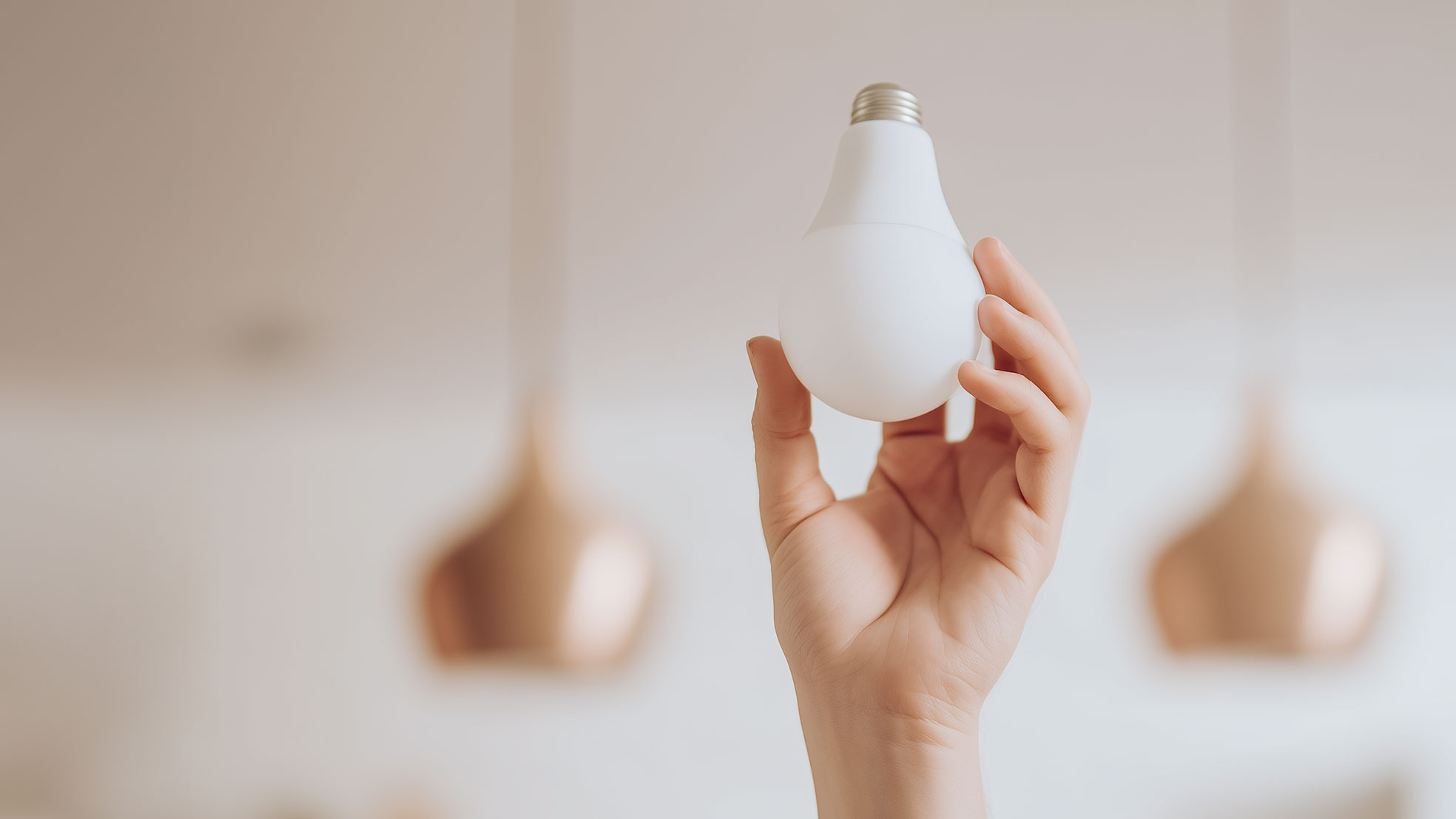
LED bulbs are designed to last, but their performance gradually declines. Because this change happens slowly, it’s easy to adapt without noticing.
Recognizing the signs early allows you to maintain the lighting quality your space deserves. A simple replacement can restore brightness, improve visibility, and enhance the overall feel of your home.
Common Questions About LED Bulb Replacement
Do LED bulbs burn out suddenly?
No, they usually dim gradually over time.
How do I know if my LED is too dim?
Compare it with a new bulb or notice changes in visibility.
Should I replace all bulbs at once?
Yes, especially in the same fixture for consistent lighting.
Can flickering be fixed without replacing the bulb?
Sometimes, but persistent flickering usually means replacement is needed.
Is it worth upgrading when replacing LEDs?
Yes, newer models often offer better efficiency and light quality.


