Underestimating Vertical Space
One of the most overlooked opportunities in any workspace is the wall itself.
When vertical space is ignored, tools naturally spread across surfaces. Drawers become overcrowded, floors become cluttered, and simple tasks take longer because tools are harder to locate.
The shift happens when the walls begin to work with you rather than against you. Introducing vertical storage transforms the space, freeing up work areas and creating a clearer visual structure.
Wall-mounted systems, whether in the form of pegboards, modular panels, or magnetic holders, allow tools to be arranged in a way that feels intentional. When done well, this approach does more than organise. It brings a sense of order that supports both efficiency and focus.
Storing Precision Tools Without Consideration
Not all tools are built to be stored in the same way.
It is common to place high-quality electric tools into generic storage, often alongside unrelated items. Over time, this leads to unnecessary wear, tangled cables, and reduced performance.
A more considered approach recognises that certain tools require their own space. Storage should protect, not just contain.
Customised interiors, whether through dividers, inserts, or structured compartments, allow each tool to remain secure and accessible. The result is not only better protection, but also a smoother working rhythm, where everything is exactly where it is expected to be.
Prioritising Quantity Over Workflow
It is easy to assume that more storage automatically leads to better organisation. More drawers, more compartments, more sections.
In reality, this often creates the opposite effect.
When storage is designed without considering how tools are used, it introduces friction into the process. Time is lost searching, moving between areas, or reorganising tools mid-task.
A more effective approach is to organise around workflow rather than volume.
Grouping tools by task rather than type creates a more intuitive environment. When everything needed for a specific job is located in one place, movement is reduced and focus is maintained. The space begins to feel aligned with the work itself.
Storage as Part of the Workspace
Tool storage is often seen as a separate element, something added after everything else is in place.
In reality, it is part of the workspace itself.
A well-considered system does more than store tools. It shapes how the space functions, how it feels to work in, and how consistently tasks can be completed.
When storage is approached with intention, it brings together efficiency, durability, and visual clarity. The result is a workspace that supports both performance and long-term use.
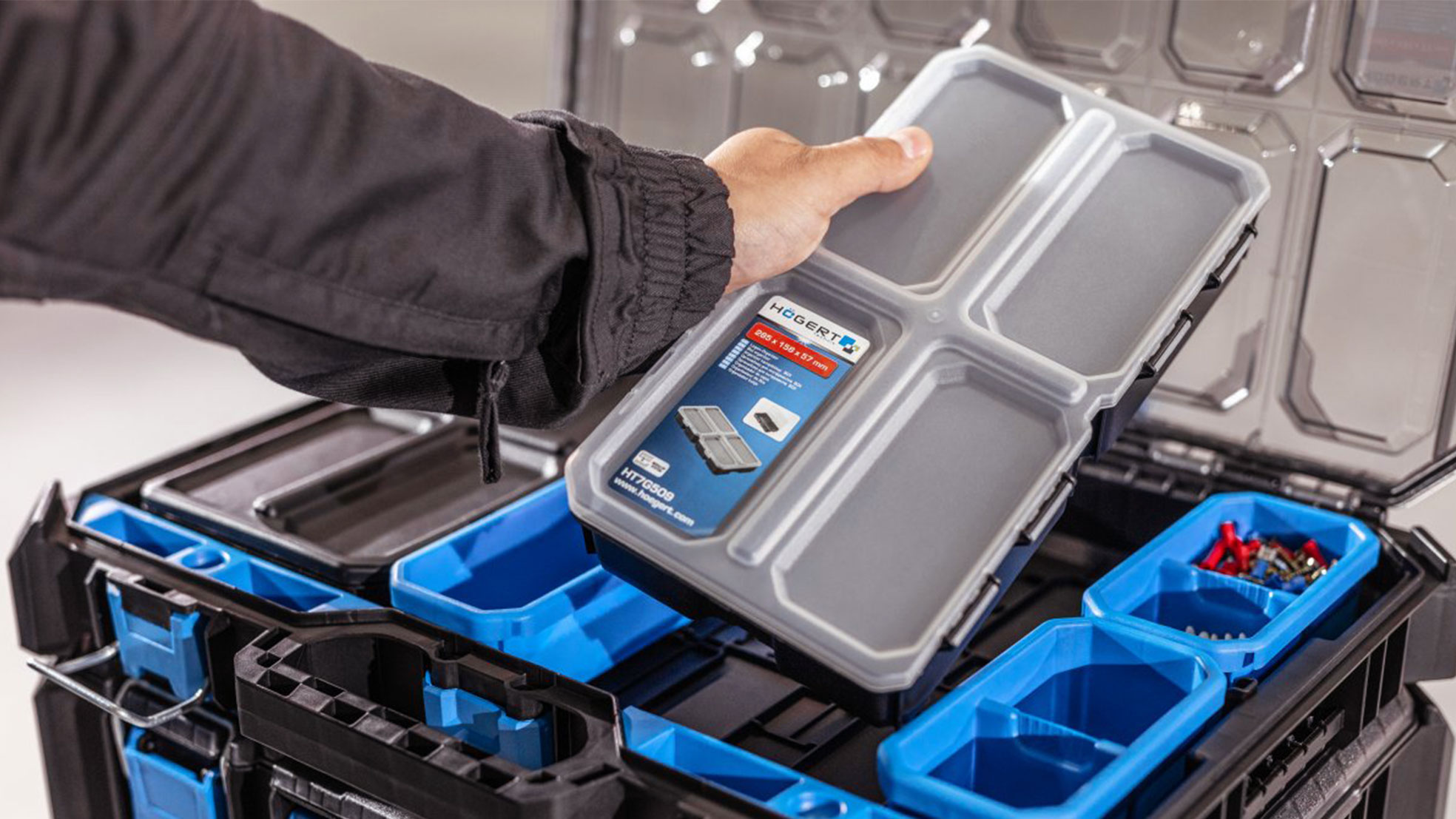
A well-organised workspace rarely draws attention to itself, yet it quietly supports every task within it. The difference between a space that works and one that constantly resists is often found in how tools are stored and accessed.
Avoiding common mistakes such as ignoring vertical space, relying on generic storage, or organising without considering workflow can transform not only the space, but the experience of working within it.
Over time, these adjustments create more than efficiency. They introduce clarity, reduce unnecessary movement, and allow each task to be approached with greater focus.
Investing in thoughtful storage is not simply about organisation. It is about creating an environment that reflects precision, supports consistency, and evolves naturally with the way you work.


